
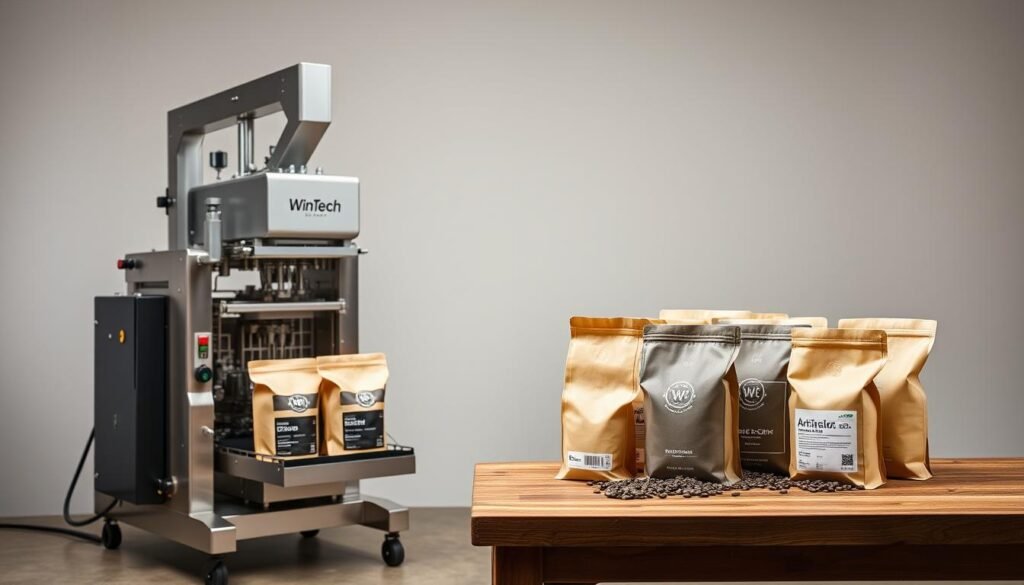
Have you ever wondered why some coffee beans taste fresher and more vibrant than others? The secret lies in the Wintech packaging of coffee beans. Modern coffee enthusiasts understand that proper airtight coffee storage can make the difference between an average and an extraordinary cup of coffee.
In the competitive world of specialty coffee, packaging of coffee beans has become a critical factor in preserving quality and meeting consumer expectations. Vacuum sealed beans are no longer just a luxury but a necessity for coffee roasters who want to deliver peak flavor and aroma to their customers.
Selecting the right packaging method can be challenging. Whether you’re a small artisan roaster or a large coffee distributor, understanding the nuances of packaging of coffee beans will help you maintain the highest quality standards and satisfy discerning coffee lovers across the United States.
Key Takeaways
- Packaging of coffee beans directly impacts flavor and freshness
- Airtight coffee storage is essential for preserving coffee quality
- Vacuum sealed beans maintain optimal taste and aroma
- Different packaging methods suit different coffee production scales
- Consumer expectations drive packaging innovation
Understanding the Importance of Packaging of Coffee Beans
Coffee packaging is far more than a simple container. It plays a critical role in preserving the quality, flavor, and overall experience of your favorite brew. The right packaging of coffee beans can make the difference between a good cup of coffee and an exceptional one.
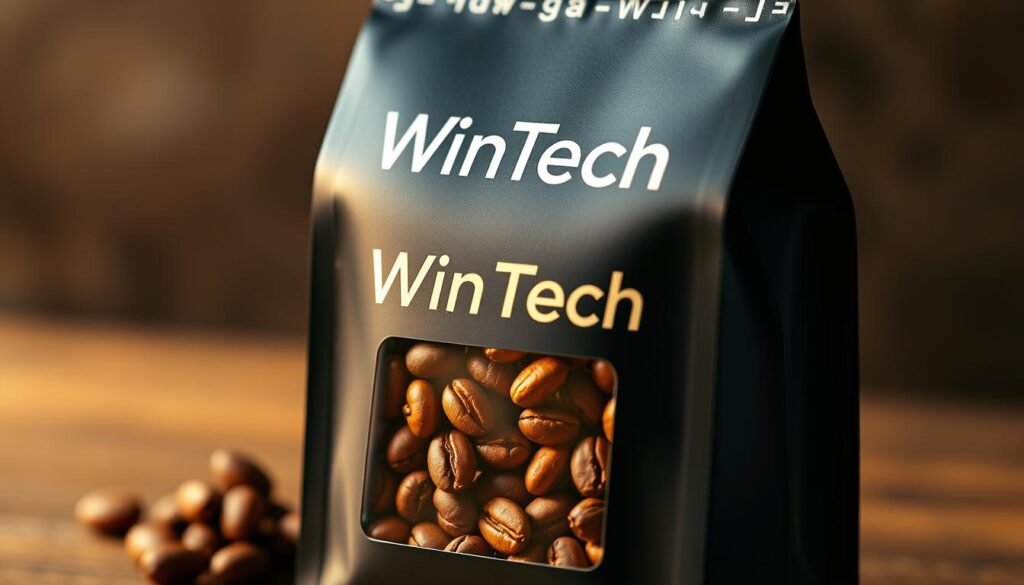
Modern coffee enthusiasts recognize that specialty coffee packaging is not just about looks. It’s a sophisticated science that protects the delicate characteristics of freshly roasted beans.
The Role of Packaging in Coffee Quality
Degassing valve packaging has revolutionized how coffee beans are preserved. These innovative valves allow carbon dioxide to escape while preventing oxygen from entering the package. This protection is crucial for maintaining the beans’ rich flavors and aromas.
- Prevents flavor degradation
- Blocks harmful oxygen exposure
- Maintains bean freshness for longer periods
Environmental Impact of Coffee Packaging
Sustainable coffee packaging has become a significant concern for environmentally conscious consumers. Brands are now focusing on eco-friendly materials that reduce waste and minimize environmental footprint.
| Packaging Type | Environmental Impact | Recyclability |
|---|---|---|
| Traditional Plastic | High Environmental Cost | Low |
| Biodegradable Materials | Minimal Environmental Impact | High |
| Compostable Packaging | Very Low Environmental Impact | Very High |
Consumer Expectations for Coffee Packaging
Today’s coffee consumers demand more than just a bag. They seek transparent packaging that showcases bean quality, provides origin information, and demonstrates a commitment to sustainability.
- Clear information about bean origin
- Freshness indicators
- Environmentally responsible design
Vertical Form-Fill-Seal Systems for Packaging of Coffee Beans
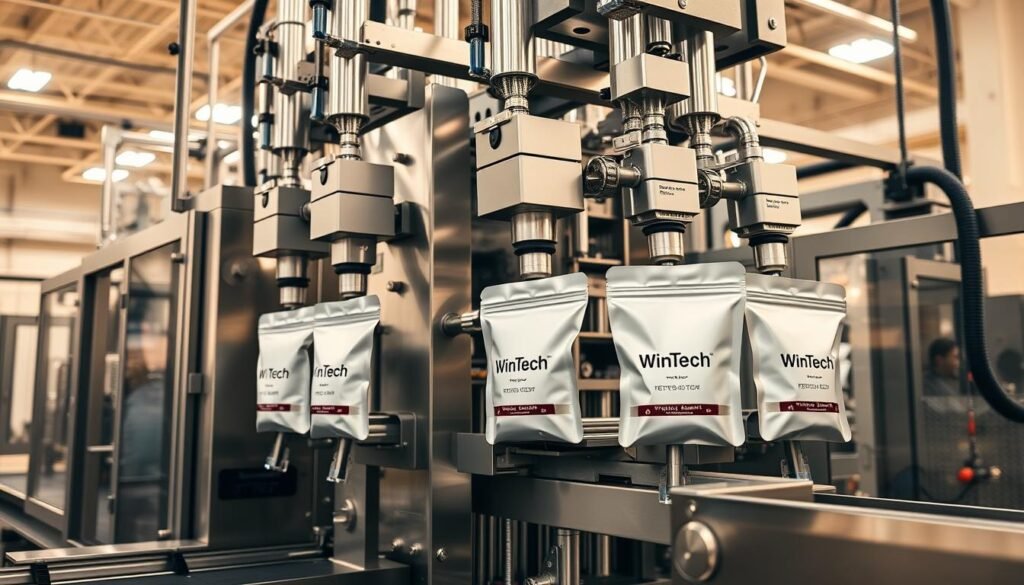
When it comes to packaging of coffee beans, vertical form-fill-seal (VFFS) systems represent a cutting-edge solution for roasters seeking efficient and high-quality packaging methods. These advanced machines streamline the entire packaging process, ensuring your coffee maintains its peak freshness from production to consumer.
Advantages of Vertical Form-Fill-Seal Technology
VFFS systems offer numerous benefits for coffee manufacturers. Your packaging of coffee beans becomes more precise and consistent with these innovative machines. Key advantages include:
- High-speed packaging capabilities
- Reduced labor costs
- Minimal product waste
- Consistent bag sizing and sealing
Ideal Use Cases for VFFS
Your coffee roastery can benefit from vertical form-fill-seal systems, especially when dealing with large production volumes. These systems excel in scenarios requiring:
- Mass production of coffee packages
- Uniform packaging standards
- Quick turnaround times
- Scalable packaging solutions
Common Materials for Coffee Bag Production
Selecting the right coffee bag materials is crucial for freshness preservation. VFFS systems work effectively with various packaging materials, including:
- Multilayer laminated films
- Recyclable barrier materials
- Kraft paper composites
- Metallized films
By implementing vertical form-fill-seal systems, you can optimize your coffee packaging process, ensuring your beans remain fresh and attractive to consumers.
Premade Pouch Systems for Packaging of Coffee Beans
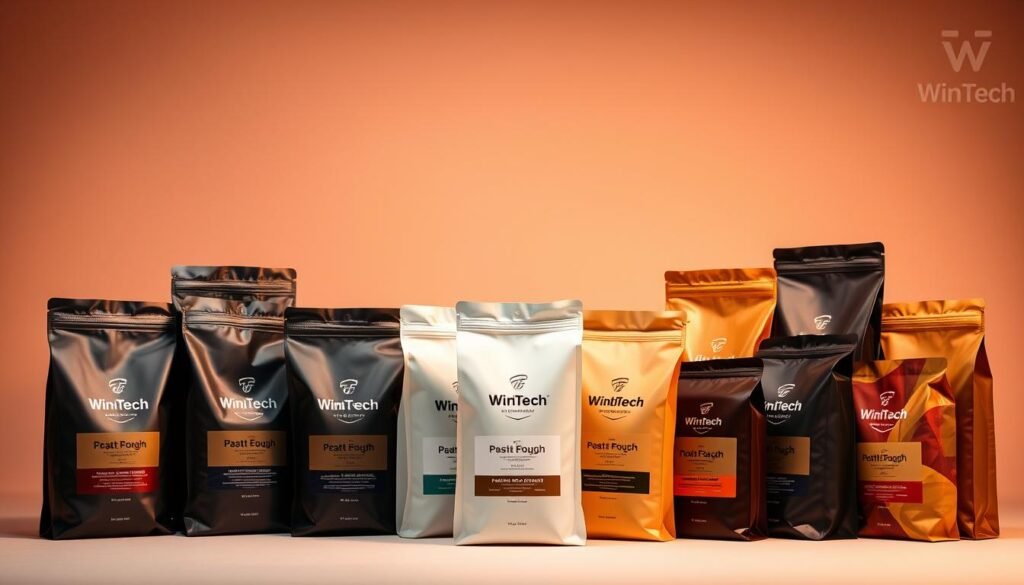
Coffee roasters are discovering innovative solutions for packaging of coffee beans through premade pouch systems. These versatile packaging options offer unique advantages for small and medium-scale coffee producers seeking flexible and attractive packaging solutions.
Advantages of Premade Pouches
Premade pouches provide several critical benefits for protective coffee packaging:
- Enhanced visual appeal with custom design options
- Simplified packaging process
- Reduced equipment investment
- Easier roast date labeling integration
Ideal Scenarios for Premade Pouch Selection
You might consider premade pouches when your coffee business requires:
- Frequent product line changes
- Small batch production
- High-quality aesthetic packaging
- Quick market responsiveness
Material Considerations for Protective Packaging
Selecting the right materials is crucial for maintaining coffee freshness. Multilayer barrier pouches offer superior protection against moisture, oxygen, and light, preserving your coffee’s delicate flavor profile.
Popular material options include kraft paper, metallized films, and sustainable biodegradable composites that support both performance and environmental consciousness.
Making Your Choice: Packaging of Coffee Beans
Selecting the right packaging for coffee beans requires careful evaluation of multiple factors. Your decision will impact product quality, brand perception, and overall business performance in the competitive specialty coffee packaging market.
Critical Decision Factors
When analyzing packaging of coffee beans, assess your production volume, product diversity, and specific coffee bean characteristics. Vertical form-fill-seal systems work best for high-volume operations, while premade pouches offer flexibility for smaller specialty coffee producers.
Cost Considerations
Evaluate both initial investment and long-term operational expenses. Sustainable coffee packaging might require higher upfront costs but can provide significant savings through reduced material waste and enhanced brand reputation. Consider equipment costs, material prices, and potential efficiency gains.
Future Packaging Innovations
The coffee packaging landscape continues evolving with advanced sustainable solutions. Emerging technologies focus on recyclable materials, oxygen barrier properties, and smart packaging designs that preserve bean freshness. Stay informed about industry trends to maintain competitive advantage in the specialty coffee market.